


2026 Trends in Reuse, Membrane Innovation, and Resource Recovery
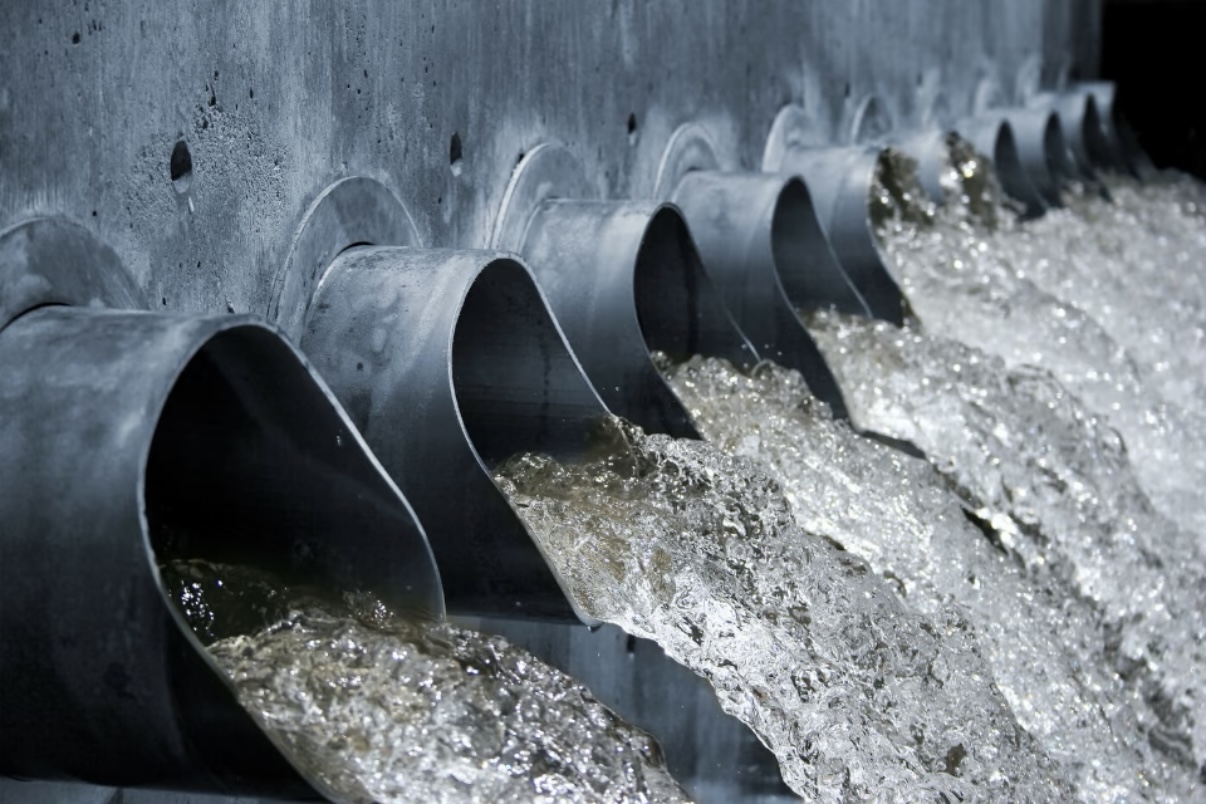
The global wastewater treatment sector is entering a new phase driven by accelerating water scarcity, stricter environmental regulations, and the rapid transition toward Circular Economy models. Across municipal and industrial sectors, wastewater is no longer viewed as waste but as a recoverable resource for water, energy, and valuable materials.
A major policy milestone in 2026 is the U.S. Environmental Protection Agency’s launch of the Water Reuse Action Plan 2.0, which emphasizes transforming wastewater into a reliable water source for industry, AI infrastructure, and energy systems while strengthening public health protection . The initiative reflects a broader regulatory shift toward large-scale reuse and tighter discharge control.
Similarly, the European Union’s revised Urban Wastewater Treatment Directive (UWWTD) introduces stricter requirements for micropollutant removal, energy efficiency, and climate resilience, pushing utilities to adopt advanced treatment technologies beyond conventional biological processes . Substances such as pharmaceuticals, PFAS, and microplastics are now central design considerations for new treatment upgrades.
Technology Shift: MBR, AOP, and Hybrid Systems
Membrane Bioreactors (MBRs) continue to dominate advanced municipal and industrial wastewater treatment due to their compact footprint and high effluent quality. However, the latest research highlights the growing integration of MBRs with Advanced Oxidation Processes (AOPs), forming hybrid systems that significantly improve the removal of persistent organic pollutants and emerging contaminants . These systems also help reduce membrane fouling while enabling higher-quality effluent suitable for reuse applications.
At the same time, innovation is addressing one of the industry’s long-standing challenges: membrane fouling and lifecycle cost. A recent breakthrough involves revitalizing end-of-life MBR membranes using dynamic “curtain-type” structures, extending membrane usability and maintaining stable effluent quality while reducing waste generation .
Circular Economy and Resource Recovery
Wastewater treatment plants are increasingly being redefined as “resource recovery facilities.” Modern treatment strategies now focus not only on pollutant removal but also on recovering water, nutrients, carbon, and even energy. This circular approach is becoming a key design principle in new infrastructure projects globally .
In parallel, industrial water reuse is advancing toward near-zero liquid discharge (ZLD). Regulatory guidance in the United States now recommends technologies such as mechanical vapor recompression (MVR) combined with crystallization for high-value resource recovery from industrial effluents, particularly in mining and battery materials industries .
Membrane and Equipment Innovation Accelerates
Technological progress is also reshaping membrane systems themselves. Recent developments in ultrafiltration modules with extremely fine pore sizes (down to 0.005 µm) are significantly reducing biofouling and improving downstream treatment efficiency, especially in reuse applications .
Meanwhile, new full-scale wastewater treatment innovations demonstrate dramatic efficiency improvements. Research from Hong Kong shows next-generation hybrid systems combining mesh bioreactors with advanced cleaning mechanisms can achieve 10–20 times higher flux and reduce treatment costs by up to 50% compared with conventional MBR systems .
Industry Outlook
Across regions, the convergence of regulation, technology, and resource scarcity is reshaping investment priorities. Utilities and industries are moving toward integrated treatment trains combining biological treatment, membranes, oxidation processes, and resource recovery units. The focus is shifting from “treatment compliance” to “water circularity performance.”
For companies like Kintep New Power, specializing in wastewater treatment solutions, these global trends highlight strong opportunities in membrane systems, lamella clarification, sludge dewatering, and integrated reuse-oriented process design. As the industry evolves, competitive advantage will increasingly depend on energy efficiency, modular design, and the ability to support full-cycle water reuse systems.
The wastewater sector is no longer just about treatment—it is becoming a cornerstone of global water security and industrial sustainability.